Darknet Markets 2026:
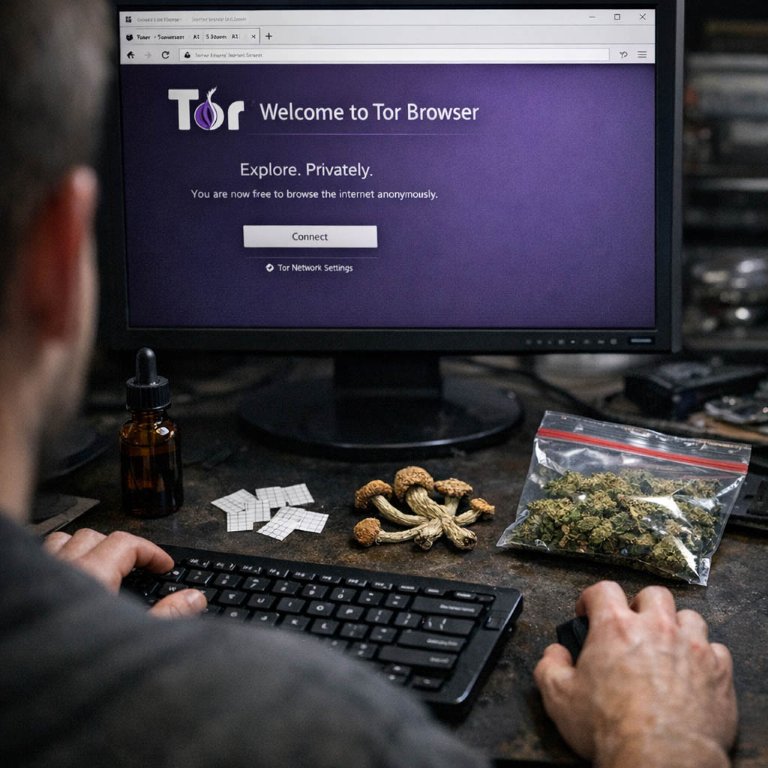
The dark web is part of the deep web but is built on darknets: overlay networks that sit on the internet but which can't be accessed without special tools or software like Tor. Tor is an anonymizing software tool that stands for The Onion Router — you can use the Tor network via Tor Browser.
| Darknet Market | Established | Total Listings | Link |
|---|---|---|---|
| TorZon Market | 2022 | 140+ | Onion Link |
| Nexus Market | 2024 | 600+ | Onion Link |
| Abacus Market | 2022 | 100+ | Onion Link |
| Ares | 2026 | 100+ | Onion Link |
| Cocorico | 2023 | 110+ | Onion Link |
Updated 2026-07-29
Quality and Choice on the Darknet
The foundation of a successful darknet market is its product diversity. These platforms host a vast array of substances, from well-known stimulants and psychedelics to prescription medications, all categorized for efficient browsing. This variety functions as a competitive ecosystem, where vendors are incentivized to offer superior purity and consistent quality to distinguish their listings. The direct consequence of this environment is a consumer-driven push toward higher standards, as buyers can readily compare and select products based on detailed descriptions and batch-specific laboratory analysis results often provided by reputable sellers.
Transaction security is integral to this model. Purchases are conducted using cryptocurrencies like Bitcoin or Monero, which provide a layer of financial privacy. Communication and order details are protected by end-to-end encryption, ensuring that only the buyer and seller can access the contents of their deal. This technical infrastructure creates a secure channel for commerce, separating the transactional layer from the physical exchange of goods.
The mechanism that enforces reliability is a multi-layered feedback system. After each completed order, users leave detailed ratings and reviews on:
- Product accuracy and potency
- Stealth and speed of shipping
- Vendor communication and professionalism
This generates a transparent reputation score for each vendor, making poor quality or fraudulent activity unsustainable. High-risk transactions are further mitigated by multisignature escrow services. Here, the buyer's funds are held in a secure third-party account until the product is received and confirmed, releasing payment to the seller and effectively eliminating the risk of financial loss for both parties.
Ultimately, the darknet market operates on a principle of verified trust. The combination of an extensive catalog, encrypted communications, and community-driven accountability frameworks facilitates a peer-to-peer trade environment where product quality and transactional security are not incidental but are the direct results of the platform's design and user-led governance.
How Encryption and Tor Keep Your Trades Private on the Darknet
The foundation of privacy on darknet markets is end-to-end encryption. All communications between a buyer and a seller, including order details and shipping addresses, are encrypted before they leave the user's device. This means the message is scrambled into an unreadable format and can only be deciphered by the intended recipient's private key. The market platform itself acts only as a routing service, unable to read the content of the transactions it facilitates.
This system is enabled by the underlying Tor network or similar anonymity networks. Tor bounces a user's connection through several volunteer-operated servers around the world, encrypting the traffic each step of the way. This process, known as onion routing, effectively obscures the user's original IP address and physical location. When combined with the market's internal encryption, it creates two powerful layers of privacy:
- The network hides who you are and where you are.
- The encryption hides what you are saying and buying.
For financial privacy, transactions are conducted using cryptocurrencies like Bitcoin or Monero. These operate on decentralized public ledgers, but do not directly link a transaction to a real-world identity. To enhance this, users typically employ cryptocurrency tumblers or use privacy-focused coins, which further obfuscate the financial trail. The result is a compartmentalized system where personal identity, transaction details, and payment records are never linked in a single, vulnerable location.
How Direct Sales on the Darknet Work
The architecture of darknet markets is fundamentally built on a direct peer-to-peer model. This system removes traditional intermediaries, connecting buyers and sellers through an encrypted platform. Transactions are conducted directly between individuals, which streamlines the process and reduces external points of failure. The seller lists a product, the buyer selects it, and the platform facilitates the secure exchange of information and funds.
Security in these transactions is maintained through advanced cryptographic protocols. All communications, including order details and shipping information, are protected by end-to-end encryption. This ensures that only the intended parties can access the content of their exchange. Financial transactions are conducted using cryptocurrencies like Bitcoin or Monero, which provide an additional layer of anonymity by obscuring the flow of funds on a public ledger.
Product quality is a critical component sustained by the peer-to-peer ecosystem. Vendors establish their reputation over time through consistent performance. Buyers provide detailed feedback on the purity, accuracy, and stealth of shipping for each purchase. This creates a transparent and self-regulating environment where high-quality vendors thrive. The feedback system acts as a continuous quality assurance mechanism, where superior products receive positive ratings and increased visibility.
The integration of escrow services is essential for trust. Funds from the buyer are held in escrow by the market's automated system until the product is delivered and confirmed. Only then is the payment released to the seller. This mechanism protects both parties, ensuring sellers are paid for completed orders and buyers receive what they purchased or can dispute the transaction. Disputes are often mediated by market moderators based on provided evidence.
Operational security extends to logistics. Vendors employ professional stealth packaging techniques to ensure discreet delivery. These methods are refined through community feedback and are designed to prevent detection during transit, ensuring reliable delivery to the end user. The entire process, from browsing listings to final delivery, is contained within a secure, user-verified framework that prioritizes transactional success and product integrity.

How Feedback Builds Trust with Darnet Sellers
The decentralized nature of darknet markets necessitates a robust, community-driven mechanism for establishing trust. The feedback and rating system serves this exact purpose, creating a transparent record of every seller's performance. Unlike traditional anonymous transactions, each sale culminates in an opportunity for the buyer to leave detailed feedback on the product's quality, the shipping speed, and the seller's communication.
This system functions as a continuous audit. A seller with hundreds of positive reviews demonstrates consistent reliability, which is directly reflected in their reputation score and future sales volume. The feedback is often granular, allowing potential buyers to assess specific aspects:
- The precise purity and potency of the product compared to its description.
- The discretion and efficiency of the packaging and shipping process.
- The professionalism and responsiveness of the seller in direct communication.
This accumulated data reduces uncertainty for buyers, allowing them to make informed decisions based on peer experiences rather than marketing claims. It incentivizes sellers to maintain high standards, as a single batch of substandard product or dishonest behavior can result in a cascade of negative reviews, severely damaging their standing and profitability. The feedback loop thus creates a self-regulating environment where quality and honesty are the primary currencies for long-term success on the platform.
How Escrow Makes Darknet Deals Secure for Buyers and Sellers
The escrow system is a fundamental security mechanism on darknet markets, directly enabling the secure peer-to-peer trade of quality products. It functions as a neutral third party that holds the buyer's cryptocurrency payment after an order is placed. The funds are only released to the seller once the buyer confirms satisfactory receipt of the goods. This process effectively eliminates the most common risk in remote transactions: one party failing to fulfill their obligation.
For the buyer, escrow provides a powerful guarantee. They can inspect the product for quality and accuracy against the vendor's description before the payment is finalized. If the product is substandard, never arrives, or is misrepresented, the buyer can open a dispute. Market moderators then review the evidence from both parties and can rule to refund the escrowed funds to the buyer. This system incentivizes sellers to maintain high standards and reliable shipping practices, as their revenue is contingent upon successful delivery.
From the seller's perspective, escrow also offers protection. It assures them that the buyer has committed the necessary funds and cannot simply retract payment after the product is shipped. The escrow service creates a structured environment where trust is engineered through process rather than blind faith. The combination of encrypted communication, vendor feedback systems, and escrow services forms a robust framework that facilitates secure, direct trade between users, ensuring transactions are completed as agreed upon by both parties.

How Darknet Markets Build Trust for Safe Trading
The operational stability of darknet markets depends on establishing and maintaining trust between anonymous parties. This is achieved through a combination of community-driven standards and platform-enforced mechanisms that create a predictable and reliable trading environment.
Product quality is a primary concern, addressed through transparent vendor practices. Sellers provide detailed listings with specifications, high-resolution photographs, and often chemical analysis results from third-party testing services. This level of disclosure allows buyers to make informed decisions. The feedback and rating system is the cornerstone of reputation management. Every completed transaction can be reviewed, with comments and a 1-to-5-star score permanently recorded on the vendor's profile. A vendor with thousands of positive reviews and a high rating has a demonstrated history of consistent quality and service, making them a preferred choice.
Transaction reliability is enforced by the multisignature escrow system. Funds are held in escrow by the platform until the buyer confirms satisfactory receipt of the product. This protects the buyer from fraud and incentivizes the seller to fulfill the order accurately and promptly. Disputes are mediated by platform staff, who review communication and evidence before releasing funds. For standardized products, many markets implement a stealth shipping grading system, where vendors are rated on their packaging methods, further reducing operational risk.
These interconnected systemsdetailed listings, immutable feedback, secured finances, and professional shippingform a self-regulating framework. They promote high standards by directly linking a vendor's commercial success to their ability to conduct reliable and quality transactions consistently.
How Darknets Build Safe, Quality Drug Trade
The resilience of darknet markets stems from their inherent adaptive nature, a direct response to the demands of a decentralized peer-to-peer ecosystem. This evolution is not random but a systematic refinement of features that directly address user needs for security, quality, and discretion. The core mechanism enabling secure trade is end-to-end encryption, which ensures all communications and transaction details remain private between buyer and seller, creating a confidential channel for negotiation and agreement.
This encrypted foundation supports a direct peer-to-peer sales model, eliminating intermediaries and reducing external risks. To build trust within this anonymous environment, markets implement robust feedback and rating systems. These systems allow users to vet a seller's historical performance, transforming community-reported experiences into a reliable metric for assessing product quality and transactional reliability before any commitment is made.
For transaction security, escrow services are universally adopted. Funds are held by the market's escrow system until the buyer confirms satisfactory receipt of the goods, which financially protects both parties and enforces honest exchange. The continuous operation of these platforms is maintained by adaptive mechanisms including decentralized hosting, cryptocurrency-only payments, and regular software updates to counter vulnerabilities. This creates a self-regulating environment where quality standards are enforced by community feedback and secured by encrypted, escrow-protected transactions, ensuring the platform's persistence and operational integrity.
How Darknet Markets Work Smoothly
The operational stability of darknet markets relies on a sophisticated integration of technological infrastructure and community-driven governance. At the core is the use of cryptocurrency, primarily Bitcoin and Monero, which provides a decentralized and pseudonymous method of payment. This financial layer is essential for facilitating direct peer-to-peer transactions without the oversight of traditional banking systems.
Platforms maintain functionality through a distributed network of servers, often hidden by services like Tor (The Onion Router). This encryption routes all traffic through multiple layers, concealing the physical location of the market and the identities of its users. The combination of encrypted communication and cryptocurrency creates a secure environment for trade.
Internal mechanisms are designed to build trust and ensure transactional reliability. These include:
- Multi-signature escrow systems that hold funds until the buyer confirms receipt of the product, drastically reducing the risk of fraud.
- Reputation and feedback systems that allow buyers to rate sellers based on product quality and shipping speed, creating a self-regulating quality control mechanism.
- Dispute resolution protocols where market moderators can intervene in cases of disagreement, reviewing encrypted communication to make a fair judgment.
The ecosystem is inherently adaptive, with markets frequently updating their code and operational security practices in response to both community feedback and the evolving digital landscape. This continuous refinement of platform mechanics ensures persistent availability and secure access for users seeking discreet commerce.