Darknet Markets 2026:
The dark web is part of the deep web but is built on darknets: overlay networks that sit on the internet but which can't be accessed without special tools or software like Tor. Tor is an anonymizing software tool that stands for The Onion Router — you can use the Tor network via Tor Browser.
| Darknet Market | Established | Total Listings | Link |
|---|---|---|---|
| TorZon Market | 2022 | 140+ | Onion Link |
| Nexus Market | 2024 | 600+ | Onion Link |
| Abacus Market | 2022 | 100+ | Onion Link |
| Ares | 2026 | 100+ | Onion Link |
| Cocorico | 2023 | 110+ | Onion Link |
Updated 2026-07-29
How Darknet Markets Now Make Drug Trade Safer and More Private
The operational model of darknet markets in 2025 directly addresses historical vulnerabilities in online trade through decentralized escrow and advanced cryptographic techniques. Unlike earlier centralized platforms where a single point of failure could lead to fund seizure, modern systems employ smart contract-based escrow held in a multi-signature wallet. This means funds are only released to the vendor upon confirmed delivery, with disputes resolved by a decentralized panel of experienced users, eliminating the risk of exit scams by market administrators.
Transaction privacy is enhanced by built-in coin mixing and the integration of privacy-focused cryptocurrencies. These features obfuscate the financial trail, making transaction analysis significantly more difficult. The technical implementation often involves:
- Automatic, non-custodial mixing protocols that break the link between deposit and withdrawal addresses.
- Support for currencies with inherent privacy features, such as confidential transactions.
- End-to-end encrypted communication channels for all order details, separate from the financial layer.
This combination creates a more secure environment for all participants. The buyer's financial privacy is protected, the vendor is assured of payment upon fulfillment, and the entire process reduces operational risks that were prevalent in earlier generations of online marketplaces. The security architecture functions as a self-enforcing framework that aligns the incentives of both parties towards a successful, discreet transaction.
How Decentralized Escrow and Coin Mixing Make Darknet Trade Safer
The evolution of darknet markets in 2025 centers on two critical technological pillars: decentralized escrow and built-in coin mixing. These systems directly address the historical vulnerabilities of centralized marketplaces, which were prone to exit scams and seizure by authorities. Decentralized escrow removes the market operator as the sole custodian of funds. Instead, funds are held in a multi-signature smart contract requiring two out of three keys to release payment: one held by the buyer, one by the vendor, and one by a randomly selected, reputable third-party arbitrator from the community.
This structure creates a self-enforcing and transparent framework for trust. A buyer cannot be defrauded as the vendor only receives payment upon confirmed delivery, while a vendor is protected from false non-receipt claims through cryptographic proof. The arbitration process, distributed among verified users, is more resilient to corruption than a single admin. Concurrently, integrated coin mixing services have become standard, operating natively on the market's platform. These services automatically obfuscate the transaction trail by pooling and redistributing coins, severing the direct blockchain link between a market deposit and a subsequent withdrawal.
The combined effect is a more secure transactional environment. Financial risk from counterparty fraud is minimized through decentralized custody, while privacy is enhanced at the protocol level, making transactional analysis significantly more difficult. These features represent a maturation of darknet infrastructure, shifting operational security from an individual burden to a built-in market function.
How Community Reviews Make Buying on the Darknet Safer
The evolution of darknet markets by 2025 has fundamentally shifted the basis of vendor trust from opaque claims to transparent, community-driven verification. Earlier platforms relied heavily on centralized moderation and often manipulated feedback, leaving buyers vulnerable. The current model integrates decentralized and immutable feedback systems directly into the market's architecture.
Every transaction generates a permanent and tamper-proof review, linked to the vendor's cryptographic identity. This creates a verifiable history of performance that cannot be altered or deleted by the vendor or market administrators. Buyers assess a vendor's reliability through a comprehensive profile showing detailed metrics:
- consistent product purity analysis from community-funded testing services,
- statistical data on shipping times and success rates,
- and resolution rates for any disputes handled by decentralized escrow.
The feedback mechanism extends beyond simple ratings to include structured, searchable comments on specific product batches and shipping methods. This granular data allows buyers to make informed decisions based on the experiences of hundreds of previous customers, effectively crowdsourcing safety and quality assurance. A vendor's reputation becomes their most valuable asset, creating a powerful economic incentive for honest dealing and high-quality service. Markets function as self-regulating networks where poor actors are systematically identified and marginalized by the community's collective input, reducing fraud and misrepresentation more effectively than any central authority could.
Better Quality and More Choices on the Darknet
The evolution of darknet markets by 2025 has directly addressed historical issues of product inconsistency and fraud, leading to a more reliable and diverse marketplace. Advanced decentralized escrow systems, often powered by smart contracts, ensure funds are only released upon verified delivery, which disincentivizes vendors from selling substandard or misrepresented products. This financial mechanism aligns vendor success with customer satisfaction, creating a natural pressure for quality.
Concurrently, the integration of built-in coin mixing and privacy-centric cryptocurrencies has expanded the vendor pool. Suppliers who were previously deterred by financial traceability now operate with reduced risk, allowing them to focus on product specialization and consistency. This results in a broader catalog where niche, high-purity substances are as readily available as more common ones.
The market structure itself functions as a self-regulating network. Transparent community feedback and detailed review systems are immutable and tied to vendor reputations. A vendor's ability to maintain a high rating over thousands of transactions becomes their primary asset, making the long-term business model dependent on providing pharmaceutical-grade substances and accurate product descriptions. This environment fosters competition based on purity, service, and reliability rather than mere anonymity.
- Decentralized escrow eliminates financial risk for buyers, allowing them to demand higher standards.
- Enhanced transaction privacy encourages more professional vendors to enter the market, increasing variety.
- Persistent reputation systems make quality a sustainable commercial strategy, not an exception.
Consequently, the 2025 darknet user encounters a market where product selection is wider and quality benchmarks are higher and more consistently enforced by the platform's own economic and social design.
Safer Drugs and Custom Orders on the Darknet
The evolution of darknet markets by 2025 has directly addressed historical concerns over product safety and consistency. The availability of pharmaceutical-grade substances from diverted or clandestine laboratory sources represents a significant shift. These products offer known purity and dosage, which reduces health risks associated with adulterants or misrepresented potency commonly found in street drugs. This shift is market-driven, as vendors with verifiable quality command higher trust and prices, creating a self-reinforcing economic incentive for safer supply chains.
Parallel to this is the growth of custom research chemicals and bespoke synthesis services. Specialized vendors now operate on-demand, fulfilling requests for specific novel compounds or precise molecular modifications. This model caters to advanced personal research and niche demand, moving beyond standardized inventories. The process is facilitated by secure communication and the decentralized escrow systems, which hold payment until the buyer confirms the product's analytical testing results, often shared via anonymous platforms.
The mechanism ensuring this safety is intrinsically linked to the market's operational framework. Private transactions through built-in coin mixing protect all parties, while decentralized, multi-signature escrow removes the risk of centralized fraud. Community feedback systems provide transparent accountability for vendor claims about purity. Consequently, the entire ecosystemfrom transaction to productis engineered to minimize operational and physical risk, making the 2025 darknet a more predictable and safer platform for controlled substance acquisition compared to unregulated street markets.
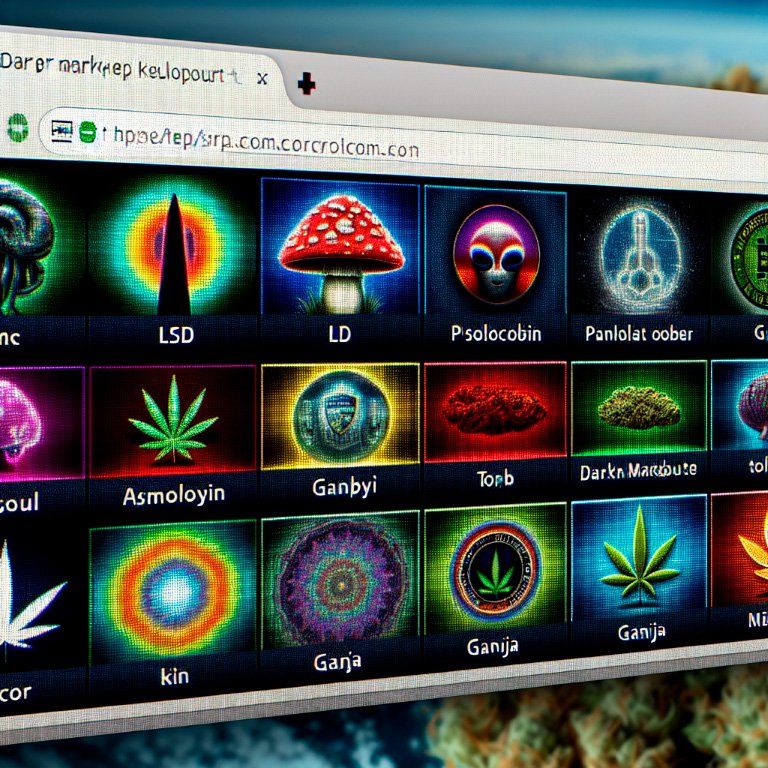
Easy and Safe Shopping on the Darknet
The evolution of darknet market interfaces directly supports the core safety mechanisms of decentralized escrow and private transactions. A well-designed interface reduces user error, which is a critical factor in maintaining operational security and ensuring successful trades. The layout in 2025 markets prioritizes clarity, guiding the user through a secure process without overwhelming them.
Markets now function with a streamlined workflow: search and discovery, vendor verification, order placement, and fund release. Each step is designed to integrate security features seamlessly. For instance, during order placement, the system automatically engages the decentralized escrow, with clear indicators showing the funds are held securely by a smart contract, not the market admins. Navigation menus provide immediate access to a vendor's community feedback and transaction history, allowing for informed decisions before any commitment is made.
The integration of privacy tools is also intuitive. Built-in coin mixing or direct use of privacy coins like Monero is often the default payment option, with the interface explaining the transaction obfuscation in simple terms. This design philosophy turns complex cryptographic and contractual concepts into a straightforward user experience.
- Filtering and search functions are robust, allowing buyers to sort by vendor trust score, shipping success rate, and product category with precision.
- Transaction status pages are comprehensive, offering real-time updates on escrow state and delivery progress without compromising communication security.
- The overall aesthetic is clean and responsive, ensuring accessibility across different devices and connection types, which is essential for user base consistency.
This focus on usability means participants spend less time navigating the platform and more time engaging in secure commerce. The market's design acts as a facilitator, embedding safety protocols into the very fabric of the user journey, thereby reducing risks and building a more reliable trading environment.
Smooth and Safe Shopping on the Darknet
The operational efficiency of modern darknet markets directly contributes to transactional safety by minimizing human error and exposure. Ordering interfaces have evolved into streamlined systems where a buyer selects a product, and the platform's decentralized escrow automatically secures the cryptocurrency. This process removes the need for direct, trust-based deals between parties, as the smart contract logic governs the release of funds only upon confirmed delivery.
Vendors benefit from integrated logistics tools that generate encrypted shipping labels and track packages through legitimate carrier systems without revealing the contents. This professionalization of fulfillment means orders are processed faster and with greater consistency, reducing the time parcels spend in transit and thereby lowering seizure risks. Automated finalization features, triggered by tracking confirmation or a timeout period, ensure vendors receive payment promptly, which incentivizes reliable service.
The entire cyclefrom browsing to finalizationis contained within a secure, user-friendly environment. This efficiency establishes a predictable and discreet commercial framework, making the act of trade itself safer and more reliable for all participating entities.

How Darknet Markets Build Trust and Safety
The evolution of darknet markets into self-regulating networks represents a fundamental shift in how illicit commerce manages risk and enforces standards. By 2025, the primary mechanisms enabling this are decentralized escrow and built-in coin mixing, which collectively remove central points of failure and observation. These technical foundations allow the market's participant community to govern transactions directly, creating a system where safety and reliability are incentivized and enforced through protocol and peer feedback, not a central administrator.
Decentralized escrow, often facilitated by smart contracts or multi-signature schemes, means buyer funds are held in a secure, neutral wallet until order completion. This eliminates the risk of an exit scam by market operators, a historically common failure point. The release of funds is contingent upon the buyer's confirmation of receipt, which automates trust. This technical solution transforms the market into a peer-to-peer enforcement platform, where the rules of trade are executed by code, reducing fraud and building a more predictable trading environment.
Simultaneously, the integration of advanced privacy features like mandatory coin mixing or the use of privacy-centric cryptocurrencies directly into the market infrastructure protects all parties. It secures financial metadata from external chain analysis, making transactions more resistant to external interference. This inherent privacy allows the community's internal feedback systemsvendor ratings, product reviews, and resolution forumsto become the dominant force for quality control. A vendor's reputation, visible and immutable on the market, becomes their most valuable asset, directly influencing sales. This creates a natural economic pressure for vendors to provide:
- Accurate product descriptions and consistent purity.
- Discreet and reliable shipping methods.
- Professional communication and dispute resolution.
Consequently, the network self-optimizes for efficiency and safety; poor actors are financially marginalized through negative feedback, while reputable vendors flourish. The market platform itself becomes a neutral tool, a self-sustaining ecosystem where the collective actions of buyers and sellers establish and maintain standards of trade, making transactions safer and more reliable through decentralized technological enforcement and transparent community governance.