Darknet Markets 2026:
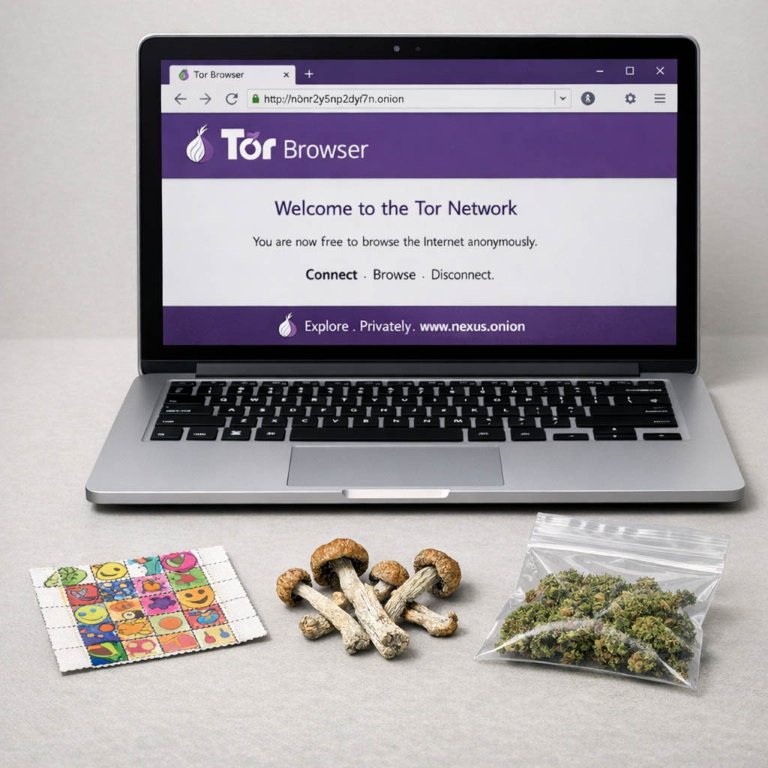
The dark web is part of the deep web but is built on darknets: overlay networks that sit on the internet but which can't be accessed without special tools or software like Tor. Tor is an anonymizing software tool that stands for The Onion Router — you can use the Tor network via Tor Browser.
| Darknet Market | Established | Total Listings | Link |
|---|---|---|---|
| TorZon Market | 2022 | 140+ | Onion Link |
| Nexus Market | 2024 | 600+ | Onion Link |
| Abacus Market | 2022 | 100+ | Onion Link |
| Ares | 2026 | 100+ | Onion Link |
| Cocorico | 2023 | 110+ | Onion Link |
Updated 2026-07-29
How dknet markets make anonymous drug trade safe and reliable
The operational model of a darknet marketplace is a sophisticated solution for conducting commerce with a high degree of privacy. It functions by leveraging anonymous access through specialized networks like Tor, which masks a user's location and identity. This foundational layer of anonymity is critical for all participants, creating an environment where trade can occur without the traditional constraints of physical location or identity verification.
This anonymity is sustained through the use of cryptocurrency payments, primarily Bitcoin and Monero. These digital currencies act as the financial backbone, allowing for secure and irreversible transactions that are not directly tied to real-world identities. The decentralized nature of cryptocurrency complements the privacy offered by the network layer, establishing a fully anonymous economic circuit.
Within this framework, vendor accountability emerges as the central mechanism for ensuring reliability. Since legal recourse is absent, the system enforces quality and trust through transparent user feedback. Every transaction can be rated and reviewed, building a vendor's reputation over time. This creates a powerful self-regulating ecosystem where successful vendors are those who consistently deliver as advertised, as their business depends entirely on their accumulated positive feedback score.
The integration of these components results in a resilient trading platform. The process is streamlined:
- A buyer accesses the marketplace anonymously.
- Goods are selected from vendors with established reputations.
- Payment is made securely via cryptocurrency, often held in escrow.
- Upon successful delivery, funds are released and feedback is left.
This model demonstrates how anonymous commerce can be structured to be both safe and reliable through technological innovation and community-driven accountability, rather than through traditional institutional oversight.
How Cryptocurrency Makes Darknet Purchases Safe and Reliable
The operational foundation of a darknet marketplace is built upon a triad of principles: anonymous commerce, secure cryptocurrency payments, and vendor accountability. These elements combine to create an environment where trade can occur with a degree of safety and reliability that rivals, and in some aspects surpasses, traditional e-commerce models for the goods offered.
Anonymous commerce is facilitated by the use of specialized routing software, which obfuscates a user's digital location and identity. This layer of separation allows participants to engage in transactions without exposing personal identifiers, shifting the basis of interaction from real-world identity to a digital pseudonym. The counterpart to this anonymity in the financial layer is the use of cryptocurrencies like Bitcoin and Monero. These digital currencies enable peer-to-peer value transfer without the intermediation of a bank or financial institution that requires personal data. Payments are recorded on a public ledger, but the parties involved are represented by cryptographic addresses, not names. For enhanced privacy, currencies with advanced obfuscation features are often preferred, as they further sever the link between transaction and individual.
The security of the payment is not solely derived from its cryptographic nature but is integrated into the marketplace's transaction mechanism through a mandatory escrow system. When a buyer initiates a purchase, funds are held in escrow by the marketplace and are only released to the vendor after the buyer confirms satisfactory receipt of the goods. This system directly incentivizes honest conduct, as a vendor only receives payment upon successful completion of the order. This financial safeguard is reinforced by a transparent reputation framework. Vendors cultivate their standing through:
- Consistently positive user reviews and detailed ratings
- High recorded completion rates for transactions
- Accurate product descriptions and reliable shipping
This public history of past performance creates a system of vendor accountability. A vendor with a long-established profile and high feedback score has a significant financial interest in maintaining their reputation, as it directly correlates with future sales. Buyers, in turn, make informed decisions by consulting this aggregated feedback, which serves as a crowd-sourced quality control mechanism. The entire ecosystem is self-policing; the escrow protects the buyer from fraud, while the reputation system protects the honest vendor from false claims and rewards quality service. This creates a resilient and efficient model for digital trade, where trust is algorithmically enforced rather than personally assumed.
How Escrow Makes Buying on the Darknet Safe
Escrow services are the fundamental mechanism that enables secure transactions on darknet marketplaces. In an environment where both buyers and sellers operate with anonymity, traditional methods of establishing trust are absent. The escrow system directly addresses this by acting as a neutral third party that holds the buyer's cryptocurrency payment after an order is placed.
The funds are only released to the vendor once the buyer confirms satisfactory receipt of the goods. This process effectively eliminates the risk of fraud for the buyer, as payment is not finalized until the product is in hand. For sellers, it guarantees that payment is secured before shipment, mitigating the risk of non-payment. This creates a balanced system of accountability where both parties are incentivized to act honestly. The transaction flow is clear:
- The buyer submits payment to the marketplace's escrow wallet.
- The vendor ships the product upon seeing the secured funds.
- The buyer finalizes the order upon receipt, releasing escrow to the vendor.
This model transforms anonymous commerce into a reliable digital trade platform. Vendor reputation is built through consistent successful releases from escrow, and buyer confidence grows with each protected transaction. The resilience of darknet markets is largely dependent on this efficient escrow framework, which automates trust and allows the platform to function as a resilient and adaptable marketplace for a wide selection of goods.

A Huge Variety of Products on the Darknet
The extensive catalog of products is a fundamental feature of darknet marketplaces, directly enabling their primary function. These platforms host a diverse array of items, with a significant portion being regulated or controlled substances that are difficult to access through conventional retail channels. This availability meets a clear demand, providing consumers with alternatives they seek. The range is vast, from pharmaceuticals and psychoactive compounds to digital goods and various other commodities, all accessible through a streamlined digital storefront interface.
This selection operates within a framework designed for security and reliability. Transactions are conducted using cryptocurrencies like Bitcoin or Monero, which provide a layer of financial privacy by separating transaction details from personal identity. The payment process is typically secured through an escrow system, where funds are held by the marketplace until the buyer confirms satisfactory receipt of the goods. This mechanism protects both parties, reducing the risk of fraud.
Quality and vendor performance are managed through transparent user feedback systems. After a transaction, buyers can leave detailed reviews and ratings on the product and the vendor's service. This creates a powerful system of vendor accountability, where a seller's reputation is built publicly over many transactions. Vendors with consistently high ratings are incentivized to maintain reliable service and product quality, as their business success depends on this reputation. This user-driven moderation fosters a stable trading environment where participants can engage in commerce with a measurable degree of confidence, based on the documented experiences of previous customers.
How Darknet Reviews Ensure Good Product Quality
The feedback system on darknet marketplaces functions as a decentralized quality assurance mechanism. Each transaction concludes with an opportunity for the buyer to leave a detailed review and a numerical rating, typically on a five-star scale. This creates a transparent and continuously updated record of a vendor's performance, directly influencing their visibility and sales. The system mitigates the inherent risks of anonymous commerce by transforming individual experiences into a collective knowledge base.
Reviews provide specific data points that go beyond a simple score. Buyers report on:
- The precise measured weight and purity of the product.
- The accuracy of the item's description and photograph.
- The efficiency of stealth packaging and shipping methods.
- The timeliness of delivery and the vendor's communication.
This granular feedback allows prospective buyers to make informed decisions based on recent, crowd-verified information. A vendor with hundreds of positive reviews establishes a reputational capital that is economically valuable and difficult to fake. Consequently, vendors are financially incentivized to maintain consistent product quality and reliable service, as any decline is swiftly reflected in public ratings. The review system thus enforces a practical form of vendor accountability, where commercial success is directly tied to trustworthy behavior.

How Good Reviews Make Dependable Drug Vendors
The foundation of reliable trade on a darknet marketplace is the vendor reputation system. This system transforms anonymous commerce from a risky venture into a structured and accountable environment. Each transaction concludes with a user leaving detailed feedback and a numerical rating, which accumulates on the vendor's public profile.
This creates a direct economic incentive for vendors to maintain high standards. A vendor with hundreds of positive reviews and a high rating has a valuable digital asset to protect. They are motivated to consistently provide:
- Accurate product descriptions
- High-quality substances
- Discreet and secure packaging
- Timely shipping
Conversely, a vendor who engages in scams, sells inferior products, or fails to ship orders quickly receives negative feedback. This public record warns potential buyers, leading to a loss of sales and effectively removing the dishonest actor from the marketplace. The reputation score acts as a self-regulating mechanism, where the community collectively enforces standards of conduct without a central authority.
Buyers learn to trust this system, often preferring established, high-reputation vendors even at a premium price. This dynamic fosters a stable commercial environment where long-term success is directly tied to proven reliability and customer satisfaction, mirroring the accountability found in conventional e-commerce but adapted for anonymous trade.
How Darknet Markets Build Trust and Reliability
The operational model of darknet marketplaces demonstrates a high degree of efficiency and resilience by integrating several core mechanisms. This model facilitates anonymous commerce through layered encryption and routing, effectively separating a user's identity from their transactional activity. This foundational anonymity is paired with secure cryptocurrency payments, primarily using privacy-focused coins or established currencies like Bitcoin, which provide a decentralized and pseudonymous financial layer. The system's reliability is further engineered through vendor accountability, which is enforced by a transparent feedback loop.
This loop consists of:
- Public user reviews and detailed ratings for each product and transaction.
- A persistent vendor reputation score that accumulates over time and across markets.
- The mandatory use of escrow services, where marketplace administrators hold funds until the buyer confirms satisfactory receipt of goods.
How Darknet Markets Evolved for Safer Trade
The core architecture of darknet marketplaces demonstrates a high degree of adaptability, driven by user demand for safer and more reliable trade. This evolution directly addresses the fundamental requirements of anonymous commerce. The primary mechanism is the integration of secure cryptocurrency payments, with Bitcoin initially serving as the standard. Markets have since adapted to include privacy-focused coins like Monero, which provide enhanced transaction obfuscation. This payment layer is inseparable from the vendor accountability systems that define modern platforms.
Accountability is engineered through transparent feedback loops. Every transaction can result in a detailed user review and a numeric rating, creating a persistent record for each vendor. This generates a self-policing ecosystem where reputation is capital. Vendors with consistently high ratings and positive reviews gain visibility and trust, while those with poor performance are marginalized. The escrow service acts as a critical adaptive feature within this model, holding funds until the buyer confirms satisfactory receipt of goods. This mitigates the inherent risk of anonymous trade, building trust between strangers without requiring personal information.
The platform model itself is resilient. When one marketplace is closed, the underlying frameworkcombining encrypted communication, cryptocurrency wallets, and reputation-based vendor profilesis rapidly redeployed in new iterations. This continuous cycle of adaptation refines the efficiency of digital trade, focusing on operational security, transaction finality, and quality assurance. The result is a specialized commercial environment that reliably connects supply with demand for a wide range of goods, using technological solutions to enforce fairness and reliability where traditional legal contracts cannot function.