Darknet Markets 2026:
The dark web is part of the deep web but is built on darknets: overlay networks that sit on the internet but which can't be accessed without special tools or software like Tor. Tor is an anonymizing software tool that stands for The Onion Router — you can use the Tor network via Tor Browser.
| Darknet Market | Established | Total Listings | Link |
|---|---|---|---|
| TorZon Market | 2022 | 140+ | Onion Link |
| Nexus Market | 2024 | 600+ | Onion Link |
| Abacus Market | 2022 | 100+ | Onion Link |
| Ares | 2026 | 100+ | Onion Link |
| Cocorico | 2023 | 110+ | Onion Link |
Updated 2026-07-29
How Darknets Build Trust for Reliable Trade
The process of sourcing quality goods on darknet markets is fundamentally driven by community-driven verification mechanisms. Unlike conventional e-commerce, where institutional reputation provides a baseline of trust, these platforms rely almost exclusively on user-generated feedback and transparent transaction histories. A vendor's long-term success is directly tied to the consistency and accuracy of their product listings, which is meticulously documented in public review systems.
Prospective buyers engage in a systematic evaluation of vendor profiles, prioritizing those with:
- An extensive history of completed transactions
- A high volume of detailed, positive feedback
- Consistent on-time shipping metrics
- Clear communication in dispute resolution
The escrow service is a critical tool in this environment, holding payment in reserve until the buyer confirms satisfactory receipt of the product. This system economically incentivizes vendors to maintain high standards, as funds are only released upon final buyer confirmation. Disputes are typically mediated by marketplace moderators who review communication logs and evidence, further reinforcing a self-regulating commercial ecosystem.
Product quality is assessed through crowdsourced laboratory analysis results, often funded by the community and posted alongside reviews. This empirical data provides an objective measure of purity and composition, allowing buyers to make informed decisions based on verifiable facts rather than marketing claims. Consequently, vendors offering substandard or misrepresented products are quickly identified and marginalized through negative feedback, which diminishes their sales potential and marketplace standing.
Finding Trusted Sellers and Quality Products on the Darknet
The process of identifying quality products and reliable vendors on darknet marketplaces is fundamentally driven by the platforms' integrated feedback systems. These systems transform subjective user experience into objective, actionable data. A vendor's reputation is quantified through a vendor rating, which aggregates transaction outcomes, and detailed user reviews that provide qualitative insight into product purity, shipping speed, and stealth. This transparent record of past performance allows buyers to make informed decisions based on collective community experience rather than marketing claims.
Successful navigation relies on a systematic analysis of available information. Buyers typically prioritize vendors with a long-standing presence and a high number of completed transactions, as this indicates consistent operational security and customer satisfaction. The review sections are critical for discerning specifics; comments regarding product potency matching its description or the professionalism of packaging are more valuable than simple confirmations of receipt. Dispute resolution history, often visible on a vendor's profile, further signals reliability, showing a willingness to engage with the platform's escrow systems to fairly settle issues.
The cumulative effect of these mechanisms creates a self-regulating environment where quality and reliability are economically incentivized. Vendors with superior products and professional service naturally accumulate positive feedback, which directly translates into increased sales and higher visibility on the marketplace. Conversely, vendors who engage in fraudulent activity or supply substandard products are quickly identified through negative reviews and low ratings, leading to a loss of business. This organic regulation, centered on cryptocurrency-enabled anonymous trade, ensures that the most efficient and trustworthy vendors thrive, providing participants with access to a consistent standard of goods.
How Escrow and Reviews Make Darknet Trade Safe
The decentralized nature of darknet markets necessitates robust, community-driven mechanisms for establishing trust and verifying product quality. Unlike traditional e-commerce, these platforms cannot rely on legal recourse, making the collective intelligence of the user base the primary regulatory force.
User feedback systems are the cornerstone of vendor reputation. Every transaction culminates in a review where buyers rate the product's accuracy, shipping speed, and communication. These reviews are aggregated into public vendor profiles featuring detailed statistics like order completion rate and average rating. A vendor with a long history and thousands of positive reviews presents a lower risk than a new, unrated seller. The review content itself often includes photographic evidence of received products, providing direct verification of quality and potency.
This creates a powerful self-regulating ecosystem. Vendors are financially incentivized to maintain high standards, as negative reviews or scams directly impact future sales. The escrow system reinforces this by holding the buyer's cryptocurrency in a secure third-party account until the product is received and confirmed. Only then is the funds released to the seller. This mechanism effectively eliminates the risk of vendors accepting payment and not shipping items. For buyers, it guarantees they only pay for satisfactory goods, while for honest vendors, it ensures they are paid upon fulfilling their part of the agreement.
Operational security practices further distinguish professional vendors. They employ vacuum sealing and meticulous packaging to ensure discreet and odorless delivery, which directly correlates with successful receipt and, consequently, positive feedback. Buyers actively seek out vendors who demonstrate consistent operational security and packaging excellence, as noted in review sections. Therefore, a vendor's reputation is not merely a measure of product quality but a holistic indicator of their professionalism, reliability, and commitment to secure transaction completion.

How Reviews Make Darknet Markets Safer
The review system is the cornerstone of quality assurance on darknet marketplaces. It functions as a decentralized and self-regulating mechanism where buyers provide detailed feedback on their transactions. This feedback typically includes ratings for product accuracy, purity, and weight, as well as evaluations of the vendor's communication speed, stealth packaging, and overall reliability. A vendor with hundreds of positive reviews and a high rating establishes a verifiable reputation, which is crucial for building trust in an anonymous environment.
Prospective buyers rely on this aggregated data to make informed decisions. The review content often specifies:
- The exact effects and potency of the substance compared to its description.
- The sophistication of operational security measures in shipping.
- The vendor's responsiveness in resolving any issues.
This transparent record of past performance reduces uncertainty. It creates direct economic incentives for vendors to maintain high standards, as negative reviews or scams are permanently recorded and severely impact future sales. Consequently, the market naturally elevates consistent and high-quality vendors while marginalizing unreliable ones. The system's effectiveness is enhanced by the inability to easily delete negative feedback, making reputation a durable and valuable asset.
How Darknet Markets Protect Users and Ensure Quality
The architecture of a darknet marketplace is fundamentally engineered to facilitate secure transactions. This design directly supports the primary goal of finding quality products and reliable vendors. The system relies on layered encryption and anonymous access protocols, which allow users to operate without revealing their identity or location. This environment fosters a transaction space where feedback is tied to the transaction itself, not to the real-world identity of the participants.
Vendor storefronts on these platforms function as centralized hubs of information. A vendor's reputation is quantifiable through a public feedback score and detailed review history. Potential buyers can analyze:
- The vendor's overall rating and number of completed sales.
- Specific product reviews mentioning purity, shipping speed, and stealth packaging.
- The vendor's policy on reships or refunds in case of non-delivery.
This transparent scoring system creates a self-regulating economy. Vendors with consistently high ratings have a clear financial incentive to maintain their standards, as their storefront is their most valuable asset. The cryptocurrency escrow system acts as a critical trust mechanism, holding payment in a neutral account until the buyer confirms satisfactory receipt of the product. This protects both parties and reduces the incidence of fraud.
Operational security features, such as PGP-encrypted communication and the absence of required personal data, ensure that all interactions remain confidential. This allows for open discussion of product specifics in reviews without compromising user safety. The cumulative effect is a trading environment where the mechanisms for privacy and security are the same mechanisms that enable the accurate evaluation of product quality and vendor reliability.

How Darknet Markets Build Trust for Safer Purchases
Finding quality products and reliable vendors on darknet marketplaces is facilitated by a transparent, user-driven ecosystem. The architecture of these platforms integrates several features that directly serve this purpose, transforming anonymous commerce into a structured and efficient process.
The primary mechanism for establishing vendor reliability is the feedback and review system. Every transaction concludes with an opportunity for the buyer to leave detailed ratings and comments on product quality, shipping speed, and stealth. This creates a persistent, publicly accessible record of performance. Vendors with consistently high ratings and positive reviews naturally rise in marketplace rankings, gaining visibility and trust. This system effectively mirrors the reputation economies of surface web e-commerce, but with heightened stakes due to the irreversible nature of cryptocurrency payments.
To mitigate the risk inherent in these irreversible payments, darknet markets employ multisignature escrow services. In a standard transaction, funds are held in escrow by the marketplace until the buyer confirms satisfactory receipt of the goods. Only then is the payment released to the vendor. This protects buyers from fraudulent vendors who might not ship products, while also assuring vendors that payment is secured before they dispatch an order. The escrow system is a foundational element that enables commerce between strangers in an anonymous environment.
Product quality is further assured through community-led verification. Many markets feature dedicated forums where users can post detailed analyses, including laboratory test results for substances like pharmaceuticals or recreational drugs. This practice of independent testing allows buyers to make informed decisions based on empirical data about purity and composition, moving beyond subjective vendor claims. Vendors who consistently supply products that match these verified analyses solidify their reputation for quality.
Operational security practices also contribute to reliability. Established vendors maintain consistent operational security (OpSec) in packaging and shipping, which minimizes seizure risks and ensures successful delivery. Feedback sections frequently comment on these aspects, allowing buyers to select vendors whose methods align with security expectations for their region. This focus on secure logistics is a critical component of reliable service delivery in this context.
How User Reviews Build Trust on the Darknet
The ecosystem of darknet marketplaces relies on a robust, user-driven feedback system to establish trust and ensure transactional integrity. This mechanism directly addresses the core challenge of finding quality products and reliable vendors in an anonymous environment. Unlike traditional e-commerce, where institutional guarantees exist, darknets decentralize trust verification to the community.
Every completed transaction allows the buyer to leave detailed feedback, typically consisting of a numerical rating and written comments. This creates a transparent and continuously updated vendor reputation score. A vendor with hundreds of five-star reviews and positive textual descriptions regarding product purity, accurate weight, and stealth packaging establishes a track record of reliability. Conversely, consistent negative feedback about underweight orders or misrepresented products quickly diminishes a vendor's standing, making them less viable on the platform.
The feedback system extends beyond simple ratings. Specific review sections often detail:
- Product quality: Direct assessments of chemical purity, potency, or authenticity of goods.
- Shipping and stealth: Evaluations of packaging methods, delivery times, and operational security measures.
- Communication: Notes on the vendor's responsiveness and professionalism.
This granular data allows prospective buyers to make informed decisions, effectively crowd-sourcing quality control. The economic incentive for vendors is clear: maintaining a high reputation is essential for sustained business, which naturally discourages scams and promotes consistent product standards. This creates a self-regulating marketplace where community vigilance and transparent historical data filter out bad actors and highlight trustworthy sellers, efficiently guiding users toward satisfactory transactions.
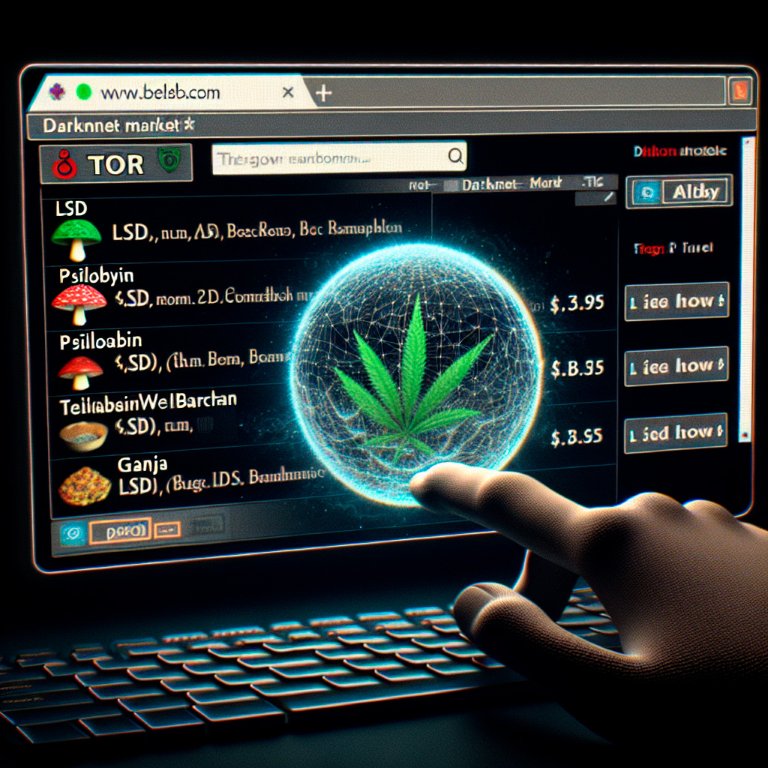
How Darknet Markets Build Trust for Safer Trades
Operational security within a darknet marketplace's architecture directly facilitates the discovery of quality products and reliable vendors. The foundational use of cryptocurrency and end-to-end encryption creates a secure environment where transactional data is protected. This technical privacy allows buyers to focus on product evaluation rather than personal security concerns.
Vendor reliability is primarily established through transparent user review systems. These systems function as a continuous audit, where detailed feedback on product purity, shipping speed, and communication is permanently recorded. A vendor's reputation score becomes a quantifiable metric of trust, built from hundreds of discrete transactions. Markets often supplement this with escrow services, which hold payment until order confirmation, financially incentivizing vendor honesty.
The market's design inherently filters out unreliable participants. To maintain access, vendors must consistently adhere to high standards, as negative reviews directly impact future sales. This self-regulating ecosystem ensures that vendors offering substandard or misrepresented products are quickly identified and marginalized by the community's collective feedback.
For pharmaceuticals, this model provides measurable benefits. Buyers can compare multiple vendors based on specific criteria:
- Chemical composition reports from other users
- Consistency in dosage accuracy across reviews
- Reliability of shipping and stealth methods
- Responsiveness in resolving disputes
The architecture's security features, combined with persistent reputation data, create an efficient platform for commerce. Participants engage in transactions with a high degree of informed confidence, as the system design prioritizes verifiable quality and sustained vendor performance over anonymous one-time exchanges.
How Darknet Markets Ensure Reliable Drug Trade
The procurement of pharmaceuticals on darknet markets is governed by a sophisticated reputation-based ecosystem. This system transforms anonymous commerce into a reliable channel by leveraging structured feedback mechanisms. A vendor's long-term success is directly tied to consistent product quality and operational security, creating a self-reinforcing cycle of trust.
Buyers primarily rely on several interconnected data points to assess reliability:
- Detailed user reviews and ratings for specific products, which often comment on purity, accurate weight, and shipping speed.
- The vendor's overall transaction count and positive feedback percentage, visible on their profile.
- The proper use of escrow services, which holds payment in a secure third-party account until the buyer confirms satisfactory receipt of the goods.
- Vendor badges or levels earned over time, indicating sustained performance and adherence to marketplace rules.
This transparent feedback loop allows for effective market self-regulation. Vendors with inferior products or fraudulent practices are quickly identified through negative reviews and low ratings, leading to a loss of sales and eventual exclusion from the platform. Consequently, established vendors have a significant economic incentive to maintain high standards. The escrow system further mitigates risk for the buyer, removing the possibility of direct payment without delivery. For pharmaceuticals, this environment enables access to a global supply chain with verifiable quality control through community verification, often providing alternatives that are otherwise inaccessible or prohibitively expensive through conventional channels.