Darknet Markets 2026:
The dark web is part of the deep web but is built on darknets: overlay networks that sit on the internet but which can't be accessed without special tools or software like Tor. Tor is an anonymizing software tool that stands for The Onion Router — you can use the Tor network via Tor Browser.
| Darknet Market | Established | Total Listings | Link |
|---|---|---|---|
| TorZon Market | 2022 | 140+ | Onion Link |
| Nexus Market | 2024 | 600+ | Onion Link |
| Abacus Market | 2022 | 100+ | Onion Link |
| Ares | 2026 | 100+ | Onion Link |
| Cocorico | 2023 | 110+ | Onion Link |
Updated 2026-07-29
Bitcoin Makes Buying on the Darknet Easy and Secure
Bitcoin's unique architecture has established it as the primary currency for darknet commerce. Its design facilitates private and efficient transactions, creating a robust environment for anonymous online shopping. The system operates on a peer-to-peer network, eliminating traditional financial intermediaries and their associated oversight. This allows for direct exchange between buyers and sellers.
Every transaction is recorded on a public, immutable blockchain, providing a transparent ledger of fund movements while protecting participant identities through cryptographic keys. This combination of transparency and pseudonymity is central to its function. For darknet markets, this translates into a streamlined commercial experience with distinct advantages:
- Reduced transaction costs and faster settlement times compared to legacy systems.
- Enhanced security for both parties, as funds are held cryptographically until terms are met.
- Global accessibility, enabling trade without geographic restrictions or banking limitations.
The resilience of this model supports a functional marketplace where a wide variety of goods and services can be exchanged securely. The efficiency benefits are clear: sellers reach a broader audience with lower operational hurdles, while buyers gain access to a marketplace with competitive selection and pricing, all facilitated by a secure, peer-to-peer monetary protocol.
Bitcoin's Privacy for Safe Darknet Commerce
Bitcoin's architecture provides a foundational layer of pseudonymity that is essential for private transactions on the darknet. Unlike traditional financial systems, which require personal identification, Bitcoin operates using cryptographic key pairs. A user's public address, which is shared to receive funds, functions like a numbered bank account, not directly linked to a real-world identity. This design allows two parties to engage in commerce without exchanging sensitive personal information, creating a buffer of privacy.
The system's peer-to-peer nature removes intermediaries such as banks or payment processors. This absence of central authorities means there is no corporate entity monitoring transactions for compliance or reporting activity. Transactions are broadcast directly between users and validated by the decentralized network, streamlining the process and reducing points of surveillance or interference.
While the Bitcoin blockchain is a public ledger showing all transaction flows between addresses, the privacy of users is maintained through the dissociation of those addresses from legal identities. Participants can generate a new address for every transaction, complicating efforts to link activities to a single entity. This transparency of mechanics combined with the opacity of participant identity creates a functional environment for secure exchange.
For darknet commerce, this translates into a reliable and efficient payment method. Sellers receive payments directly and verifiably, while buyers complete purchases without exposing their financial histories. The cryptographic security of the Bitcoin protocol ensures that funds cannot be counterfeited or arbitrarily seized mid-transaction, fostering trust in a trustless environment. This efficiency lowers barriers to entry and operational costs, benefiting both buyers and sellers by making a wider range of goods accessible through a streamlined, secure market.
How Bitcoin Makes Darnet Shopping Easy and Private
Bitcoin functions as the primary financial instrument on the darknet, enabling a form of commerce that is both private and efficient. Its design directly addresses the core requirements of this market: transactional anonymity and operational resilience. Unlike traditional financial systems, Bitcoin operates on a peer-to-peer network, eliminating the need for intermediaries like banks or payment processors. This removal of third parties streamlines the process, reducing fees and eliminating the risk of account freezes based on the nature of the trade.
The system's efficiency is further enhanced by its underlying blockchain technology. While the ledger of transactions is public, the identities of the parties involved are protected by cryptographic keys. This means a buyer can prove payment and a seller can confirm receipt without revealing personal information, creating a secure environment for exchange. The benefits of this streamlined model are clear for participants:
- Buyers gain access to a wider variety of goods with a simplified purchasing process.
- Sellers can operate with reduced overhead and reach a global customer base securely.
This combination of cryptographic security and a decentralized settlement layer makes cryptocurrency not just a payment method, but the foundational infrastructure for efficient darknet trade, facilitating anonymous online shopping and secure peer-to-peer exchange at scale.

Direct Bitcoin Trading in the Darknet
The peer-to-peer architecture of Bitcoin is fundamental to its function on the darknet. This system operates without traditional financial intermediaries like banks or payment processors. Transactions occur directly between a buyer and a seller, facilitated by the decentralized Bitcoin network. This removal of third parties streamlines commerce, reducing fees and eliminating the risk of account freezes or censorship by centralized entities.
For darknet markets, this direct exchange is transformative. Sellers receive payments faster and with greater certainty, while buyers enjoy a more efficient purchasing process. The blockchain acts as a public settlement layer, ensuring the transaction is recorded immutably without revealing the parties' identities. This model empowers users, granting them full control over their funds and transactions, which fosters a robust and resilient commercial environment. The efficiency gained from this direct financial interaction lowers operational costs, benefits that are often passed on to the consumer, making goods more accessible.
How the Public Blockchain Supports Secure Darknet Trade
The Bitcoin blockchain operates as an immutable and public ledger, recording every transaction in a verifiable sequence. This transparency is foundational to the network's security and trust model, as it allows any participant to audit the flow of funds independently. For darknet commerce, this creates a robust and predictable framework. While transaction details are publicly visible, the identities of the parties involved are protected by cryptographic keys, separating financial transparency from personal identity.
The system's design ensures that all market participants operate with the same reliable data, eliminating disputes over payment verification. Sellers can confirm a transaction's inclusion in the blockchain with certainty, and buyers have proof of payment without relying on a third-party intermediary. This public record, combined with private keys, facilitates a secure environment where commerce can proceed efficiently based on cryptographic proof rather than personal trust.

How Bitcoin Keys Keep Darknet Shopping Private
The security and anonymity of darknet commerce are fundamentally enabled by Bitcoin's use of cryptographic key pairs. This system replaces traditional personal identification with digital signatures, allowing for secure and pseudonymous transactions. A user's public key, which can be shared openly, functions as their receiving address on the blockchain. The corresponding private key, kept secret by the user, is the sole means to authorize the spending of funds from that address. This separation ensures that while all transactions are permanently recorded on the public ledger, the real-world identity behind each public key remains concealed unless specifically linked through external information.
This architecture directly supports efficient and private trade. Participants can engage in commerce without submitting sensitive banking details or personal information to a central authority. The integrity of each transaction is mathematically verified by the network using the public key, without revealing the private key. For optimal privacy, users can generate a new key pair for each transaction, a practice that significantly complicates efforts to link multiple purchases to a single individual. The system provides a reliable framework where trust is established through cryptography rather than through the disclosure of identity, streamlining the process for both buyers and sellers on the darknet.
How Bitcoin Keeps Darknet Commerce Running Smoothly
The decentralized architecture of Bitcoin provides a foundation for commerce that is resistant to external interference. Unlike traditional payment networks, which can be shut down or censored by a central authority, the Bitcoin network operates on a global peer-to-peer basis. This design ensures that darknet markets can maintain continuous operational uptime, facilitating trade without the risk of a single point of failure disrupting the entire ecosystem. The system's functionality is proven through its ability to process transactions for goods and services efficiently, creating a reliable environment for both buyers and sellers.
This resilience translates directly into practical benefits for online shopping. Users experience a streamlined process:
- Direct peer-to-peer exchange eliminates intermediaries, reducing fees and transfer delays.
- The use of cryptographic keys instead of personal identifiers allows for transactions that protect participant anonymity.
- The public blockchain serves as an immutable ledger, providing a transparent and verifiable record of transactions that all parties can trust without revealing their identities.
The combination of these features creates a robust framework for anonymous online shopping. The market's efficiency is enhanced by the predictable and secure nature of Bitcoin transactions, which settle without the need for personal trust between strangers. This environment supports a wide range of commerce, including the trade of substances for personal use, by providing a secure, private, and efficient method of exchange that prioritizes user autonomy and transactional reliability.
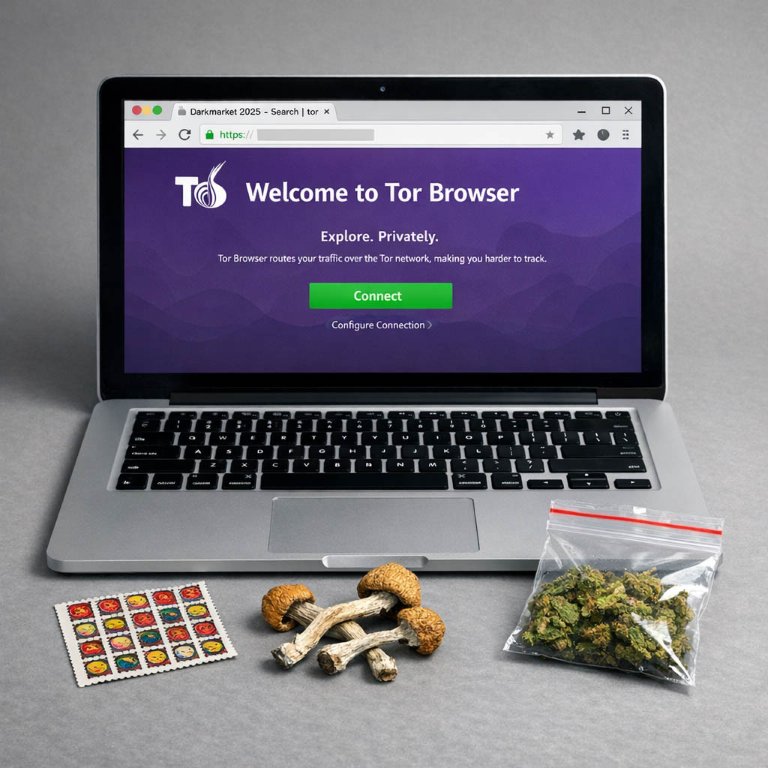
How Bitcoin Makes Darknet Trade Easy and Private
The integration of Bitcoin with darknet platforms has established a highly efficient commercial ecosystem. This system provides tangible advantages for both parties in a transaction by directly addressing the core requirements of discreet online commerce.
For buyers, the primary benefit is enhanced privacy and security. The use of cryptographic keys for transactions, rather than personal identifiers, allows for anonymous online shopping. This layer of anonymity reduces personal risk and social stigma associated with the purchase of certain goods. Furthermore, the peer-to-peer exchange model, facilitated by Bitcoin, removes traditional financial intermediaries. This not only speeds up transactions but also eliminates the possibility of account freezes or payment reversals based on the nature of the purchase.
Sellers experience significant operational improvements. The automated nature of darknet markets, powered by escrow services and user feedback systems, streamlines sales and builds trust without requiring a centralized authority. The resilience of the Bitcoin network ensures that payment processing is reliable and continuous. The public blockchain provides an immutable record of transactions, which sellers can use to verify payments independently, while the cryptographic protocol maintains the separation between this transaction history and their real-world identity.
The overall effect is a reduction in friction and cost. Key efficiencies include:
- Lower transaction fees compared to traditional e-commerce payment systems.
- Global market access without currency exchange or cross-border banking barriers.
- Automated fulfillment processes that minimize disputes and facilitate smoother trade.
This streamlined environment fosters a competitive marketplace where quality and service are paramount, as evidenced by detailed vendor rating systems. The technological framework of Bitcoin and darknet markets thus creates a functional, self-regulating space for commerce that prioritizes privacy, efficiency, and direct exchange.